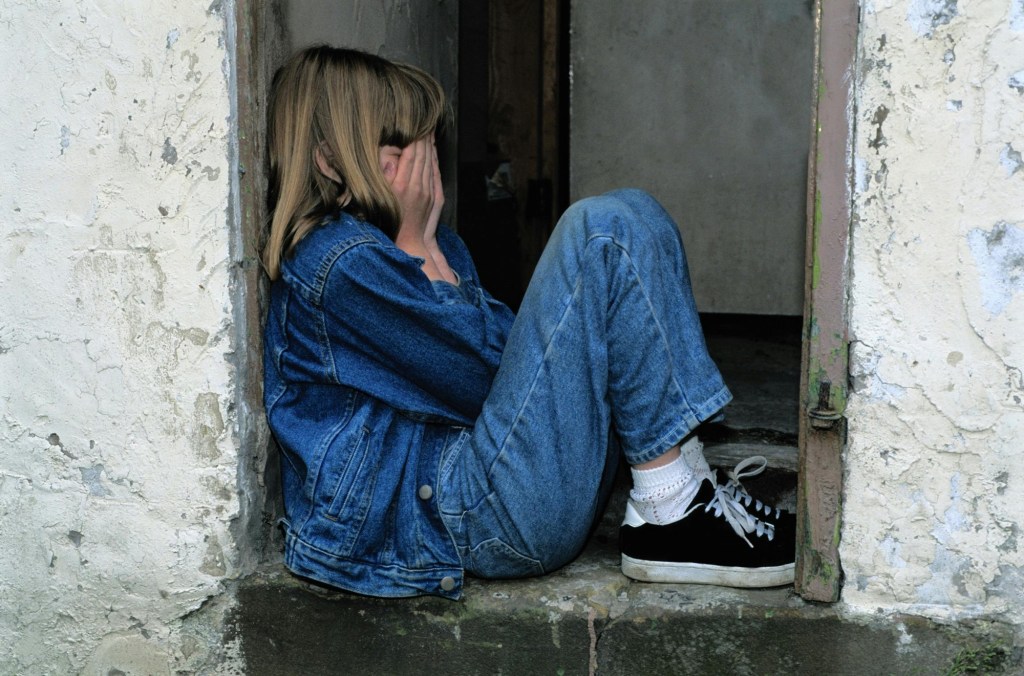
One of my biggest fears about this blog is/was how it would be received by others; whether people just wouldn’t bother reading it because it was written by me and they didn’t see the point, or had no interest in what was going on in my life. It sounds crazy to be so focused on that sense of rejection, doesn’t it?
Unfortunately, the fear of rejection has been almost constant throughout my life. I’m fortunate enough to have had a very loving home life, but when it comes to friendship groups and colleagues, my rejection sensitivity often gets the best of me.
Have you ever tried to organise a huge social event for your entire cohort at university, only for people to decide that they don’t want to go and instead they do their own thing, after you’ve already sorted out a venue, paid a deposit and printed tickets? Have you ever messaged a group chat asking a question or for advice, or even offering something out to them for free, only to be met with silence? How about asking people to join you for coffee or cocktails and to have that question go unanswered?
Is it any wonder that my brain defaults to that fear of rejection? That feeling that I’ve done something wrong, or people dislike me. I sit and ruminate on everything I’ve ever said to that person/group, everything leading up to that sense of being ignored, unwanted or forgotten.
This isn’t unusual for people with ADHD, and I wonder whether my autism exacerbates the issue for me because my communication style might be different to other people so I second-guess whether that style is appropriate to the situation. I set high expectations of myself, which also doesn’t help.
Rejection sensitive dysphoria (RSD) is common in people with ADHD, and is extreme emotional sensitivity and pain triggered by the perception that a person has been rejected or criticised by important people in their life, or by a sense of falling short—failing to meet their own high standards or others’ expectations.
So what does this mean in terms of behaviours?
1. We become people pleasers and actively try to avoid putting ourselves in a situation where RSD may rear its ugly head. We work hard to get to know every person we meet and find out what makes them tick. In doing so, we may mask our true selves (sometimes/usually unknowingly) and may forget what’s important to us. We become so concerned with making sure other people aren’t displeased with us that we forget to put our own needs and desires first (see burnout).
2. We give up. If there is the slightest possibility that we might try something new and fail or fall short in front of anyone else, it becomes too painful or too risky to try. We avoid any activities that are anxiety-provoking and it ends up impacting negatively on our relationships (personal, romantic and professional), applying for jobs or promotions, or trying new hobbies etc.
So for anyone reading this who is wanting to support people with RSD, I ask you to be honest, patient, to respond, and to give feedback.
In British culture, I would go so far as to suggest that we aren’t very good at praising people or offering positive feedback. The absence of negative feedback isn’t enough for people to think they’re doing well, not for me, anyway. Acknowledging their work, their positive efforts and rewarding their activities really helps them feel more confident (and who doesn’t like genuine praise!). Doing this can also help them see things from a new perspective and shift from negative self-talk about rejection and improve their confidence to approach future situations bravely as well, without that fear of rejection.
Instead of not responding to something, or acknowledging it, be honest. Tell them if it’s not something that you are interested in, able to do, if you’re busy etc. If the person reaching out to you doesn’t receive a response, their innate negativity bias takes over and they catastrophise. In academia, we talk so much about closing the feedback loop for students, but we often forget to do that with each other.
Don’t worry, I’m not for one moment trying to suggest that it’s down to everybody else to solve this problem. Yes, understanding behaviours that can lead to a person feeling rejected can help minimise the likelihood of RSD taking control, but there are things that we can do to try and keep it in check.
I’m learning to adapt my thought processes and trying to make self-care a priority. Stress and anxiety can make RSD feel even worse as they can impact rational thought. I take time to acknowledge my thoughts and validate them, but then I move to challenging them. I try to look at the situation objectively so I can learn from any mistakes but also nullify the perception of mistakes and errors that were not present. I try not to take things personally, and remind myself of my strengths. Sometimes I need to take a break and remove myself from the situation to allow me the space to do this but I’ve learned self compassion is key.








 The Atypical Academic
Leave a reply to Kirsten Cancel reply